Alcohol Monitoring
Remote Alcohol Monitoring: How BACtrack Testing Works and Who Needs It
A practical guide to remote, real-time alcohol monitoring with a handheld breathalyzer — how it works, who uses it, and what makes results court-ready.
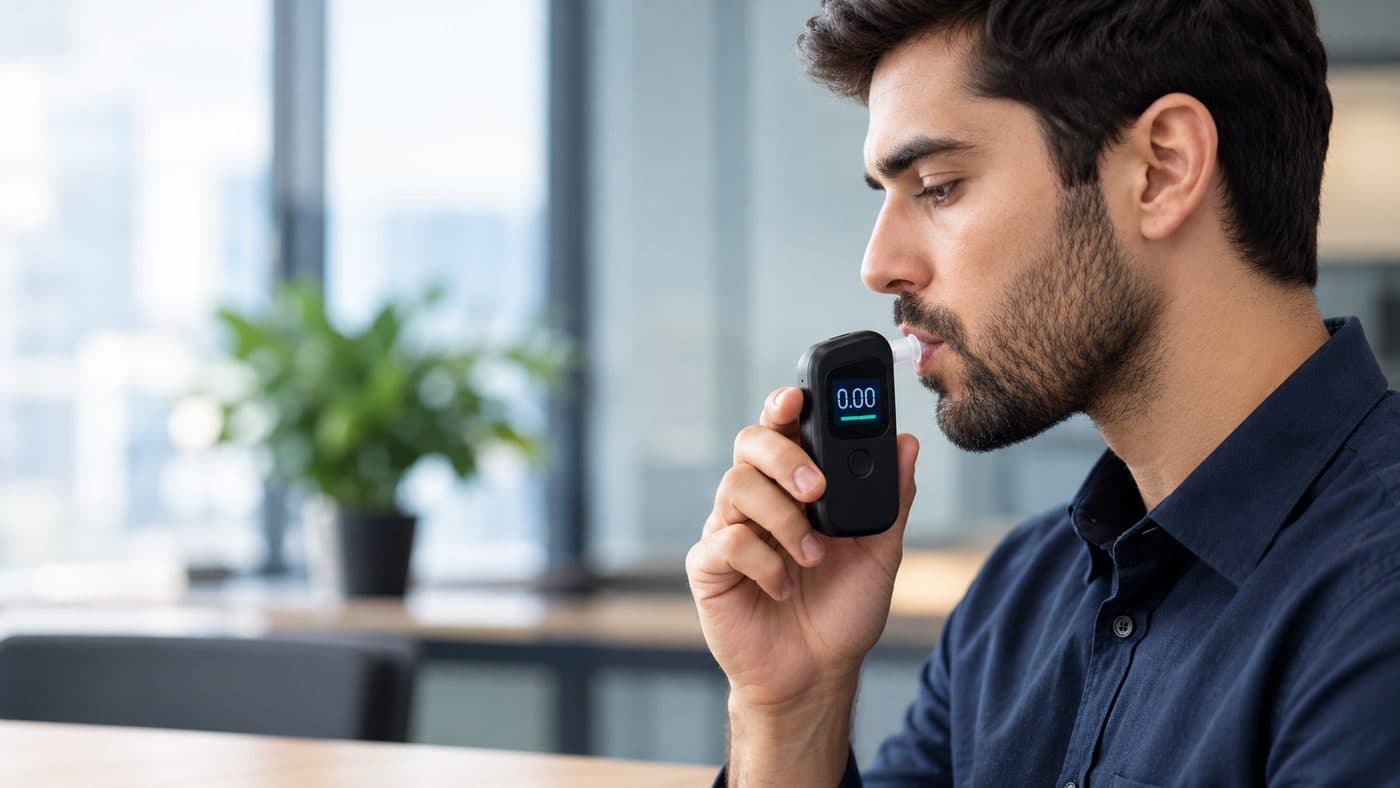
Court-ordered sobriety verification used to mean daily trips to a testing site. Remote alcohol monitoring changes that by putting a handheld, connected breathalyzer in the hands of the person being tested, so results can be captured wherever they are and reported automatically to whoever needs them.
What remote alcohol monitoring actually measures
A remote alcohol monitoring program uses a small, portable breath-alcohol device, such as a BACtrack unit, instead of a fixed testing station. The device measures breath alcohol concentration the same way a standard breathalyzer does, but it adds identity verification, a timestamp, and secure transmission of the result — turning a single breath test into a documented data point in an ongoing monitoring record.
How a scheduled or on-demand test works
Depending on the program, testing can run on two different models:
- Scheduled testing — the program sets specific times each day (or several times a week) when a breath test is required, and the device prompts the client accordingly.
- On-demand testing — the monitoring organization or the device itself issues a random or unscheduled request, and the client has a limited window to complete the test.
Each completed test is automatically time-stamped and identity-verified — often using a front-facing photo captured at the moment of the test — before the result is transmitted securely for review and reporting.
What makes results tamper-resistant
A common concern with any remote testing program is whether the person who submits a result is actually the person being monitored. Identity verification at the moment of each test, combined with a device-specific timestamp and secure transmission, is what makes a result difficult to substitute or falsify compared to simply reporting a number over the phone. This is also why courts, probation departments, and attorneys are generally willing to accept results from an established remote monitoring program rather than requiring daily in-person visits.
Who typically enrolls in a monitoring program
Remote alcohol monitoring comes up most often in a handful of recurring situations:
- Court-ordered monitoring tied to a DUI case or probation condition.
- Custody or visitation arrangements where sobriety verification is part of a parenting plan.
- Workplace compliance programs for safety-sensitive roles.
- Treatment and recovery programs that want objective data alongside counseling.
- Attorneys who need documented proof of a client's compliance for a hearing or negotiation.
Getting started with a program
Enrollment generally involves a short setup process rather than ongoing paperwork. A typical sequence looks like:
1. Confirm who is requiring the monitoring — a court, probation officer, attorney, employer, or treatment program — and the schedule they expect. 2. Pick up or receive the monitoring device. 3. Complete a brief training session so every test is submitted correctly the first time. 4. Begin testing on the required schedule. 5. Receive ongoing reporting so the requesting party has a documented, up-to-date record.
Costs compared to in-person testing
Because remote monitoring removes the need for a daily facility visit, it is often more affordable over the length of a monitoring period than repeated in-person tests, and it removes the travel time and scheduling conflicts that come with visiting a collection site every day.
Questions worth asking before you enroll
- Does the requesting court, attorney, or program accept this specific monitoring method?
- What is the required testing schedule, and how much notice does on-demand testing give?
- What happens if a test is missed or fails to transmit?
- How are results reported, and how often?
PureCheck offers BACtrack remote alcohol monitoring for individuals who need consistent, documented sobriety verification. Our team can confirm your program's reporting requirements and get your monitoring set up at our Metairie facility.