DNA Testing
Noninvasive Prenatal Paternity Testing: What Expecting Parents Should Know
Learn how noninvasive prenatal paternity testing (NIPP) works, who is eligible, what affects accuracy, and how it differs from a postnatal test.
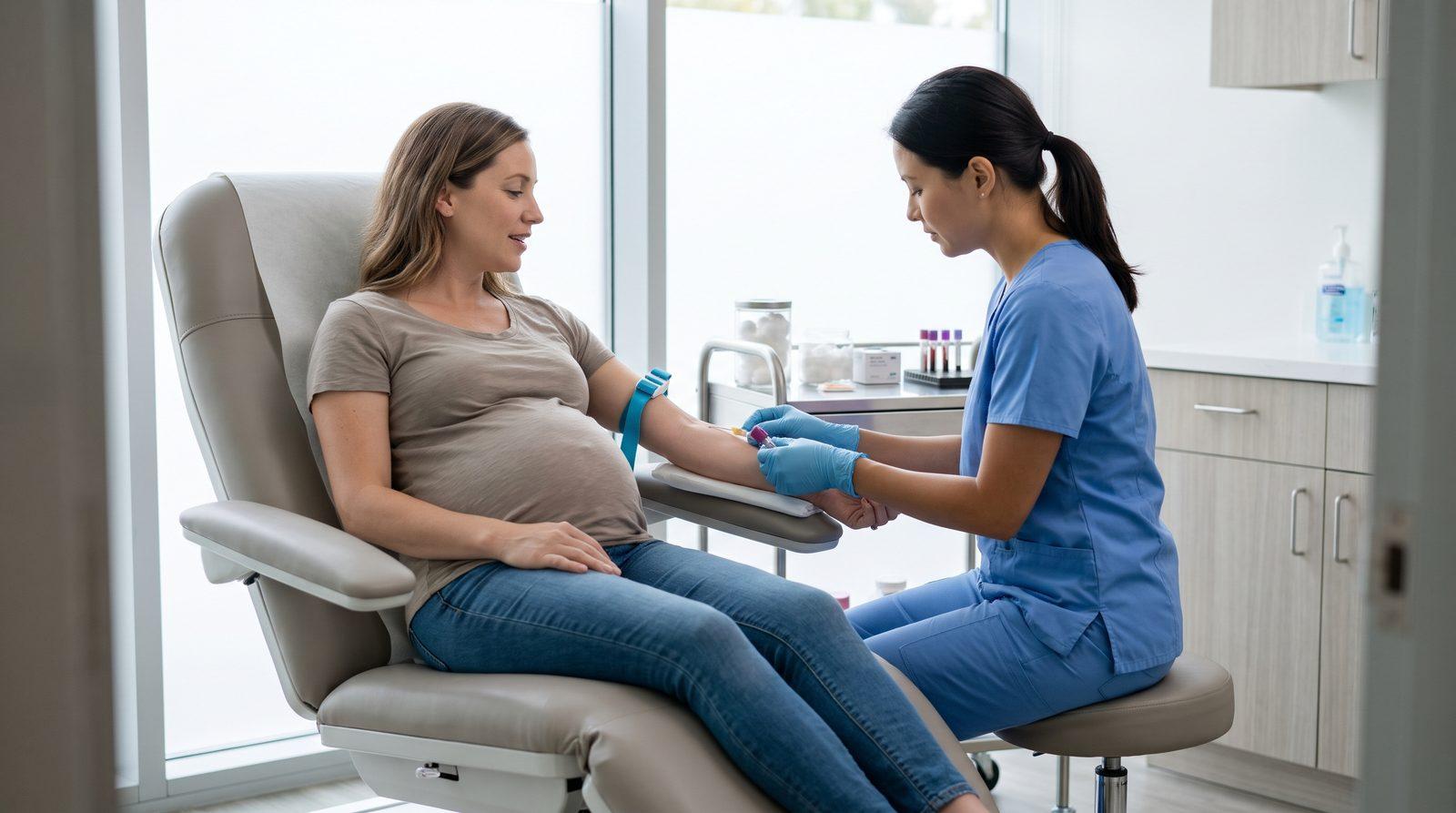
Waiting until after birth for paternity answers is not always possible or practical. Noninvasive prenatal paternity testing, often called NIPP testing, gives expecting parents a way to get informational results during pregnancy using only a blood draw from the mother and a cheek swab from the alleged father — no amniocentesis, chorionic villus sampling, or other invasive procedure required.
How noninvasive prenatal paternity testing works
During pregnancy, small fragments of the baby's DNA (called cell-free fetal DNA) circulate in the mother's bloodstream. A noninvasive prenatal paternity test isolates that fetal DNA from a standard maternal blood draw and compares it against a DNA sample collected from the alleged father, usually with a simple buccal (cheek) swab. Because the only procedure performed on the mother is a blood draw, there is no increased risk to the pregnancy the way there can be with invasive diagnostic procedures.
When you can test
Most noninvasive prenatal paternity programs, including PureCheck's NIPP Insight, require a minimum gestational age before testing — typically starting around 10 weeks. Earlier in pregnancy, the fetal fraction (the percentage of fetal DNA present in the mother's blood) is generally too low for a reliable analysis. The fetal fraction tends to increase as pregnancy progresses, which is why waiting until at least 10 weeks improves the odds of a usable sample on the first attempt.
Factors that can affect accuracy
No noninvasive prenatal test can guarantee 100% accuracy, and a reputable lab will be upfront about that. Several factors can lower the amount of fetal DNA available for analysis or otherwise affect results:
- Shipping delays — the mother's blood sample generally needs to reach the laboratory within 48 hours of the draw.
- Collection errors — the wrong vial type, an incomplete draw, or a lapse in collection protocol.
- Early gestational age — testing performed too early can mean an insufficient fetal fraction.
- Maternal health conditions — factors such as obesity, diabetes, recent illness, or high blood pressure can affect the circulation of fetal DNA in the bloodstream.
Because of these variables, noninvasive prenatal paternity testing is intended for informational purposes and is not recommended as the basis for deciding whether to continue a pregnancy. A postnatal test is recommended to confirm results after the baby is born.
Who should not use this test
Noninvasive prenatal paternity testing is not appropriate for every pregnancy. It generally cannot be performed when any of the following apply: the pregnancy involves multiples, such as twins; the pregnancy resulted from surrogacy or IVF; the mother has had a bone marrow transplant or a recent blood transfusion; the test participants are closely related (such as siblings); the mother has a medical condition known to alter DNA, such as cancer; there are known fetal chromosomal abnormalities; a participant exhibits any form of chimerism; or the mother is using anticoagulants during pregnancy. A good screening conversation before scheduling should walk through each of these before an appointment is booked.
What happens at the appointment
The process is straightforward for both participants. The mother's blood is drawn by a phlebotomist — morning appointments are often recommended, along with simple hydration guidance beforehand. The alleged father completes a quick, painless buccal swab collection, which can typically happen at the same visit or separately if needed.
Confirming results after birth
Because informational prenatal results are not intended to carry the same weight as a legal postnatal test, many programs — including PureCheck's NIPP Insight — include access to a significantly discounted postnatal confirmation test. That follow-up test is usually simple: a buccal swab from the baby and the alleged father, with no recollection needed from the mother, available within several months of the original prenatal test.
Questions to ask before you book
- How early in pregnancy can I test, and has that minimum been met?
- What happens if my sample doesn't have enough fetal DNA for a result?
- Is a postnatal confirmation test included, and what does it involve?
- Is this test informational, or can results be used for a legal purpose?
PureCheck offers NIPP Insight noninvasive prenatal paternity testing at its Metairie facility, with guidance on eligibility and scheduling before your appointment. Our team can walk you through the process and help you decide whether prenatal or postnatal testing better fits your situation.